ABUJA: THE CENTRE OF UNITY AND PROGRESS
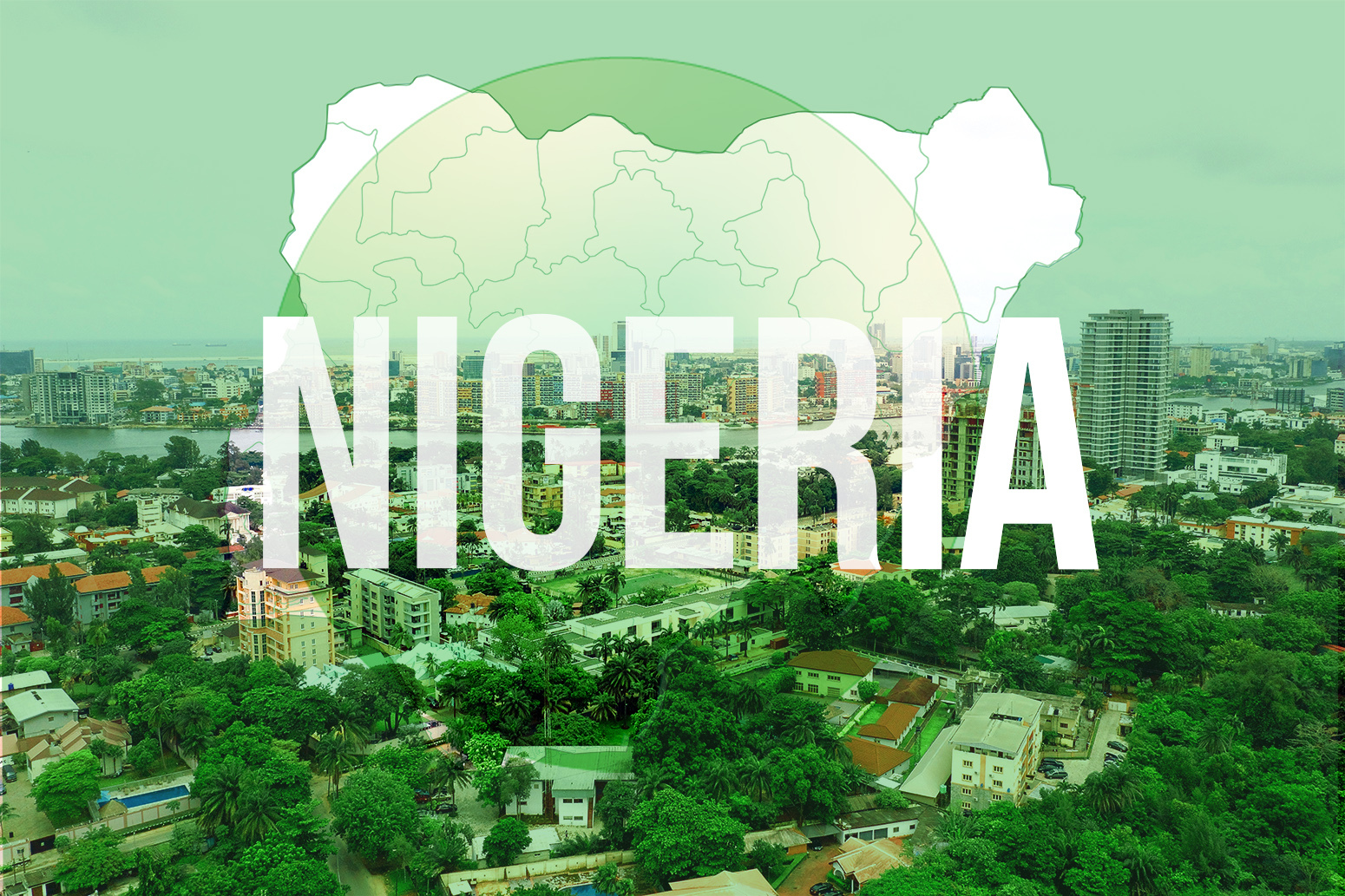
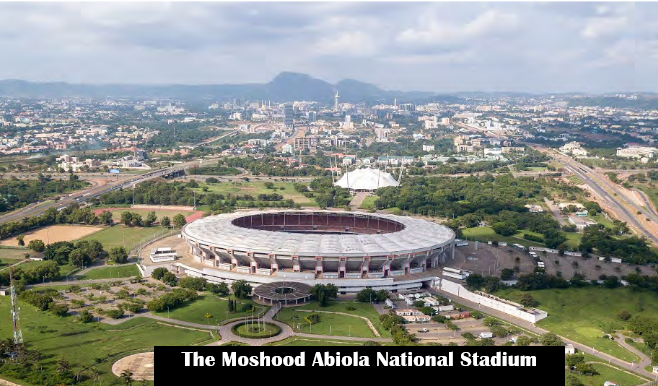
Abuja, Nigeria's capital city, is an emblem of modernity, peace, and progress. Established in 1991 as a symbol of national unity, its central location was deliberately chosen to reflect inclusivity and neutrality. Designed by renowned Japanese architect Kenzo Tange, Abuja features masterful urban planning that seamlessly blends governmental, residential, and commercial zones with green spaces and natural landmarks.
The city has become an epicenter for international diplomacy and global business. Its infrastructure, including the Nnamdi Azikiwe International Airport and a well-maintained road network, ensures easy access for delegates from across the globe. Abuja has successfully hosted high-profile events such as the Commonwealth Heads of Government Meeting (CHOGM), the FIFA Under-16 World Cup, the African Union Summit, ECOWAS Heads of State Meetings, and the Conference of African First Ladies, reinforcing its capacity to deliver world-class experiences.
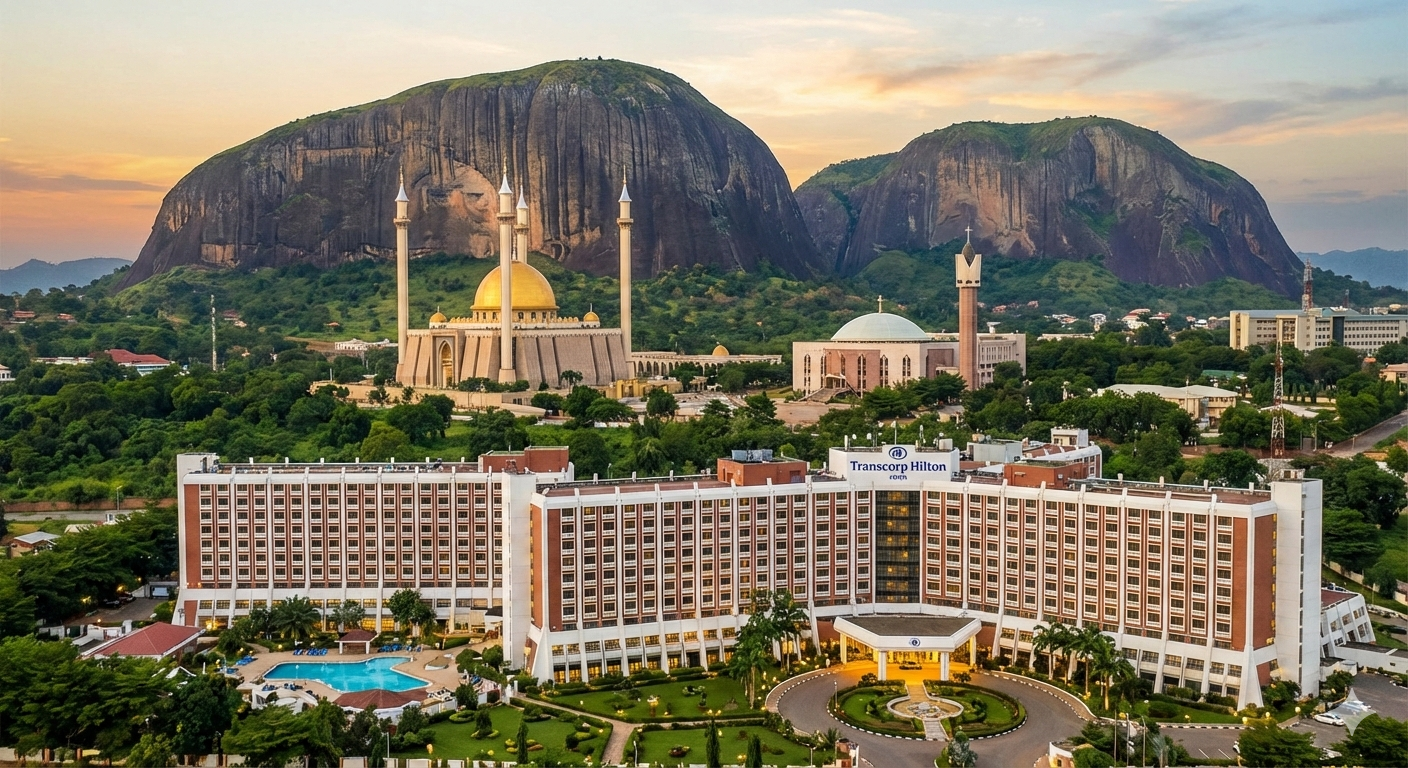
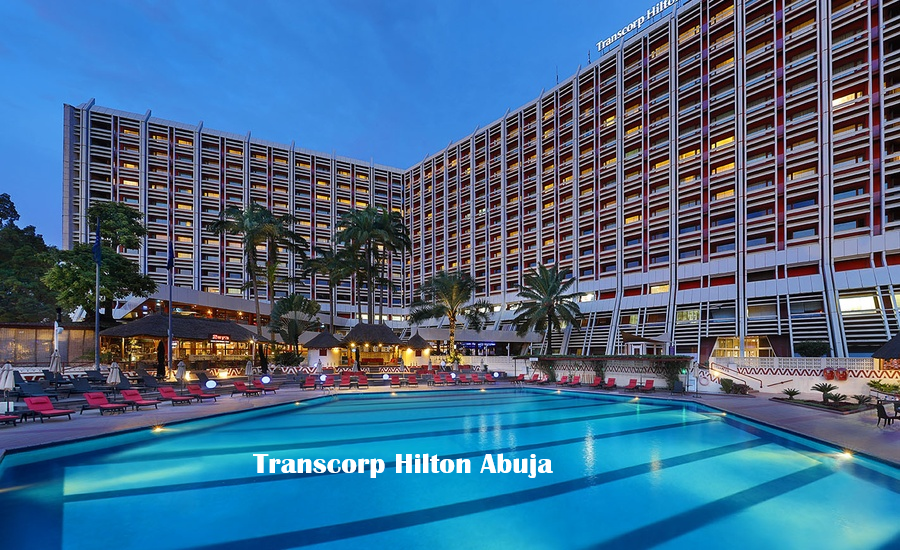
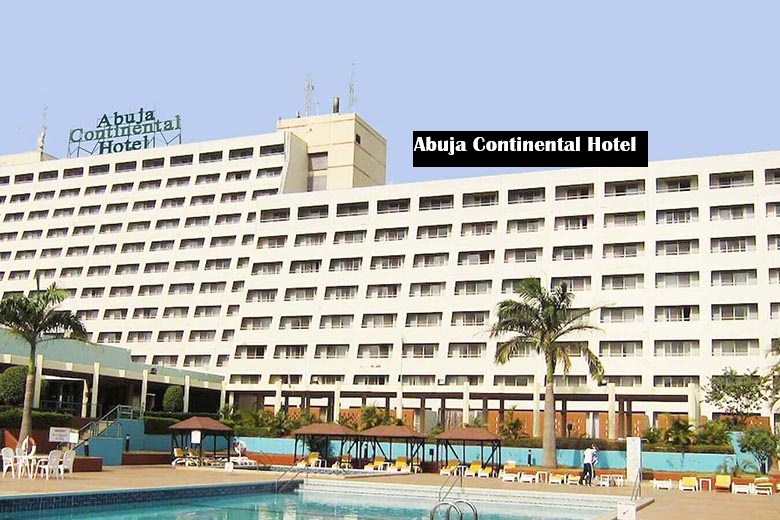
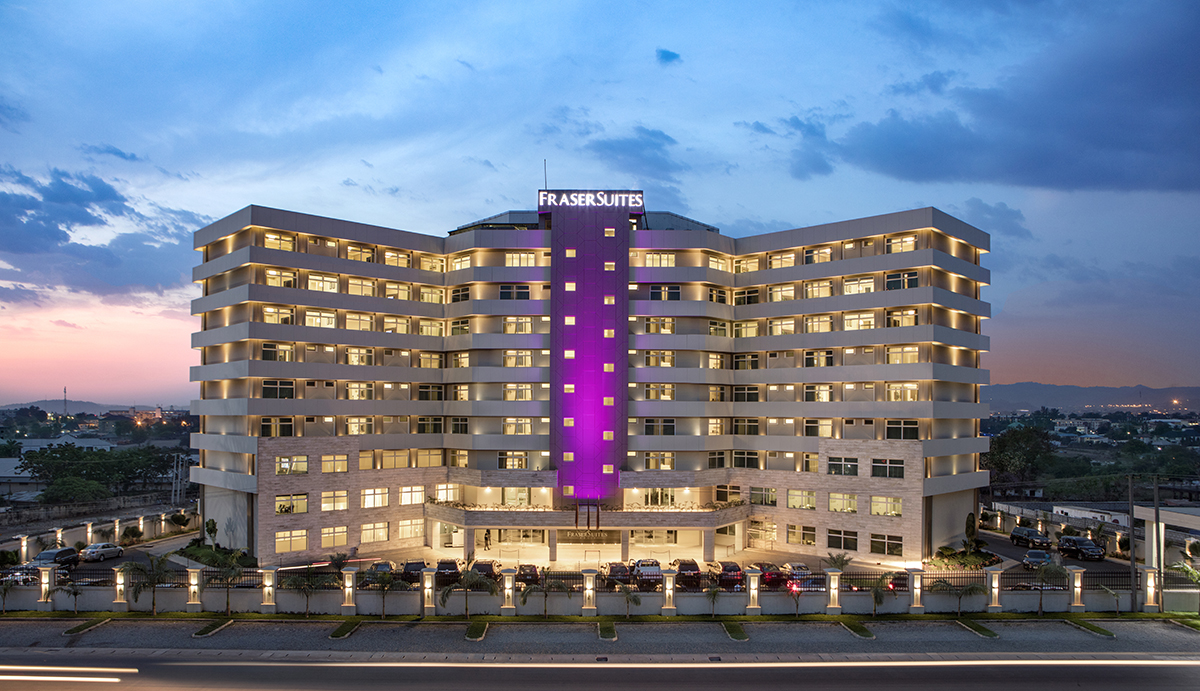
Abuja offers state-of-the-art venues, including the International Conference Centre (ICC), with a plenary hall seating over 2,000 guests and modern syndicate rooms for breakout sessions. The city’s top-tier hotels, such as the Transcorp Hilton and Abuja Continental Hotel, provide luxury accommodations complemented by Nigeria’s renowned hospitality.
Safety is a cornerstone of Abuja’s reputation. As the administrative seat of government, the city benefits from robust security measures, advanced surveillance systems, and the presence of federal law enforcement agencies, making it a secure environment for international gatherings.
The warmth and hospitality of Abuja’s residents are another highlight, ensuring that visitors feel welcomed and valued. Whether engaging in business discussions, exploring natural landmarks like Aso Rock or Millennium Park, or enjoying the city's vibrant nightlife, visitors are immersed in an atmosphere of openness and cultural exchange.
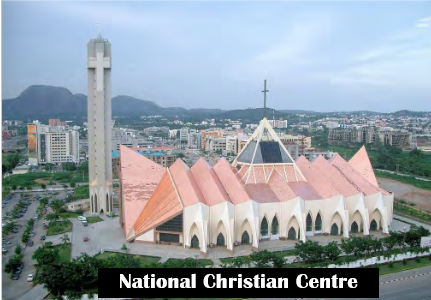
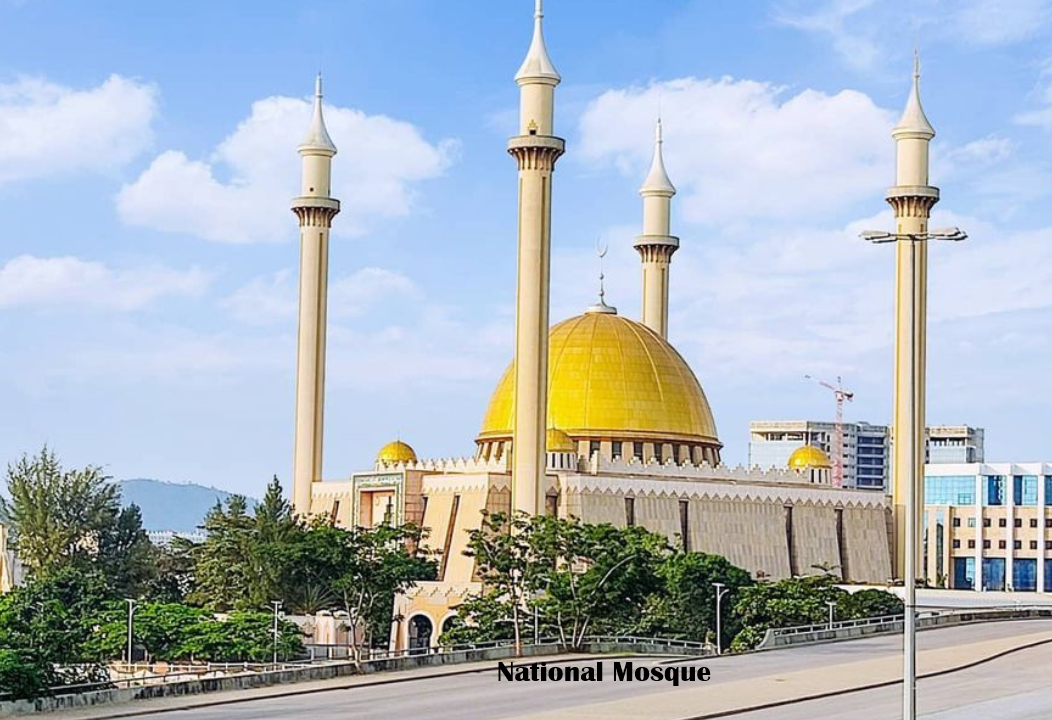
Culturally, Abuja is a microcosm of Nigeria’s rich heritage. Visitors can experience culinary delights such as suya and jollof rice, vibrant markets offering handmade crafts and textiles, and iconic landmarks including Aso Rock, the National Christian Centre, and the National Mosque. With its welcoming people and dynamic culture, Abuja promises to leave WPRF 2026 attendees inspired and enriched.
Accessibility
Abuja is a global gateway and a hub for seamless connectivity. Nnamdi Azikiwe International Airport links the city directly to major international destinations including London, Paris, Frankfurt, Amsterdam, Istanbul, Doha, and Dubai, with renowned airlines such as British Airways, Lufthansa, Qatar Airways, and Turkish Airlines.
Regionally, Abuja is well-connected to African cities through airlines such as Ethiopian Airlines, EgyptAir, Royal Air Maroc, and ASKY Airlines. Domestically, Abuja’s central location ensures quick and easy access from all parts of Nigeria through a robust network of flights, expressways, and rail services.
With world-class facilities, smooth transportation links, and premium conference venues, Abuja offers unmatched accessibility for hosting WPRF 2026.
Visa on Arrival
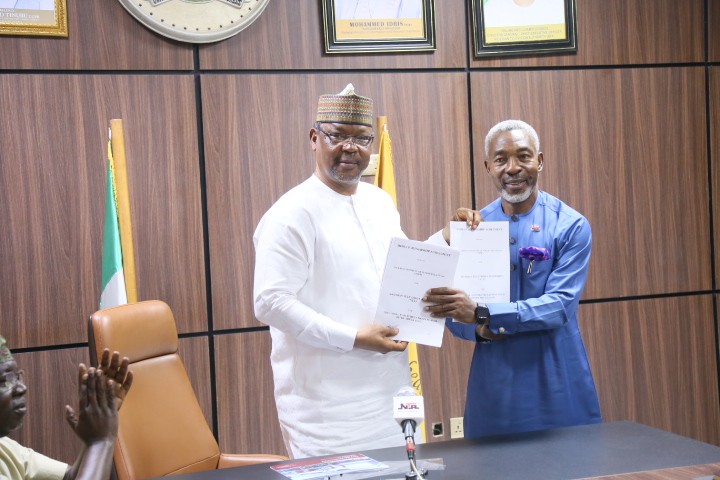
To simplify participation in WPRF 2026, the Nigerian Institute of Public Relations (NIPR) will partner with the Nigerian Immigration Service to provide Visa-on-Arrival (VoA) for delegates from countries without Nigerian embassies or those requiring expedited processing.
Pre-registered travel details will ensure faster approvals, while dedicated visa desks at major airports will guarantee swift issuance. This initiative highlights NIPR’s commitment to accessibility, inclusivity, and seamless hospitality for all delegates attending WPRF 2026.